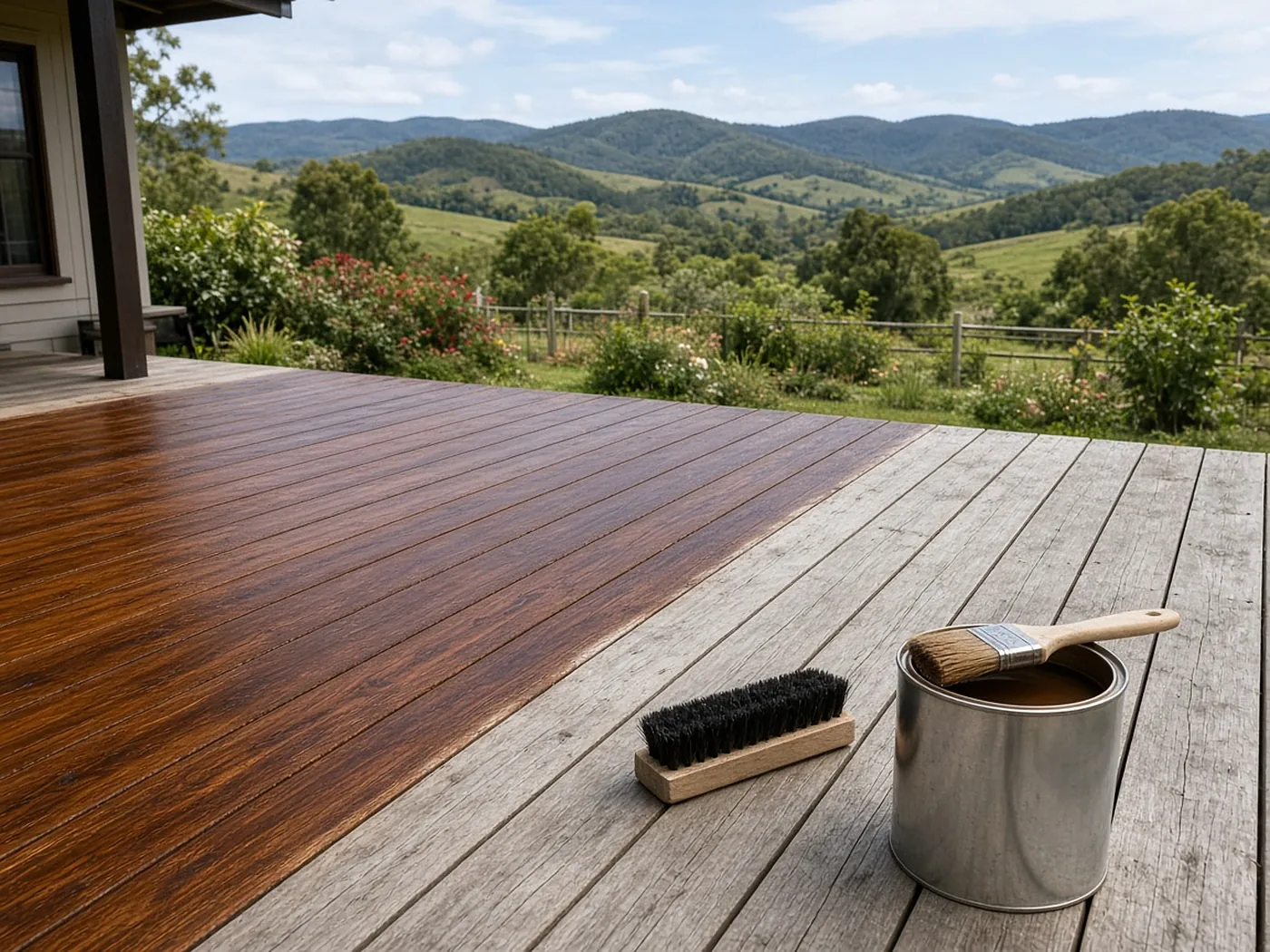
Timber decks and verandas are part of life in the South Gippsland hills. They also have a hard job. Rain, frost, moss and shade are tough on timber, and a deck that is not looked after can become slippery, rotten or unsafe. Here is how to keep yours in good shape.
Why decks wear out faster here
Korumburra and the towns around it have long, damp winters. Timber that stays wet for long periods absorbs moisture, grows mould and algae, and starts to rot. Decks on the shaded side of a house, or close to the ground, stay wet the longest. Gaps blocked with leaves and dirt stop water draining and air moving, which makes the problem worse.
Keep it clean
Sweep the deck regularly and clear leaves out of the gaps between boards. Wash it down at least once a year with a deck cleaner and a stiff brush to remove dirt, mould and algae. Clean timber dries faster and is less slippery.
Oil or seal it
A good deck oil helps protect the timber from moisture and sun. When water no longer beads on the surface and the timber looks grey and dry, it is time to re-oil. Many decks in the hills need a clean and oil at least once a year, and decks in full sun may need it more often.
Choose a dry spell for oiling. The deck needs to be clean and dry before you start, and the oil needs time to soak in before rain. Follow the product instructions on drying times.
Check for problems
- Soft or spongy boards, especially near the house and close to the ground
- Split, cupped or warped boards
- Nails or screws that have lifted above the surface
- Loose or wobbly handrails and balustrades
- Steps that move or have soft treads
- Bounce or movement when you walk across the deck
- Rot or damage to the posts and frame underneath
Fix small problems early
Most deck problems start small. Replacing a few soft boards, re-fixing lifted nails with screws and tightening a handrail are quick jobs. Left alone, rot spreads to the frame and the repair becomes much bigger. A yearly check before winter is a good habit.
Safety first on raised decks
On sloping blocks, decks and verandas are often well above the ground. Handrails, balustrades and steps on raised decks need to be solid. If a rail moves when you lean on it, or a step flexes, have it fixed straight away. A wet, mossy deck with a loose rail is a fall waiting to happen.
When to call in help
A handyman can replace boards, re-fix decks, repair steps and rails, and clean and oil the timber. If the frame, posts or footings are failing, or the deck needs to be rebuilt, a registered builder may be needed. Korumburra Handyman will check your deck and tell you honestly which category it falls into.
A simple deck care calendar
- Autumn: sweep, clear the gaps and check for soft boards before winter
- Winter: keep leaves off the deck and treat slippery areas
- Spring: wash, check fixings, rails and steps, and fix any damage
- Summer: oil or seal in a dry spell once the timber has dried out
Following this routine takes only a few hours a year and can add many years to the life of a deck.
Choosing replacement boards
When boards need replacing, match the width and thickness of the existing boards where possible. Use a durable timber suited to outdoor use and stainless or galvanised screws. Leave a small gap between boards so water can drain and air can move. New boards will look lighter at first, but after oiling and a season of weather they blend in.
Slippery decks and steps
In winter, a thin film of algae can make timber decks and steps very slippery. Regular cleaning helps, as does keeping the surface free of leaves and making sure the deck drains and dries. For steps and areas that stay wet, non-slip strips or treads can be added. Good handrails on steps are important for everyone, especially older people and visitors who do not know the steps.
Avoid using a high-pressure washer too close to the timber, as it can damage the surface and raise the grain. A deck cleaner, a stiff brush and a gentle rinse are usually enough.
Planning a deck repair
If your deck needs work, start by listing the problems: soft boards, loose rails, wobbly steps, lifted fixings. Take photos of each, and note when the deck was last oiled. This makes it easier to get an accurate quote and decide what to fix now and what can wait until the dry months.
A deck that is cleaned, checked and oiled each year, with small repairs done as they come up, will usually stay safe and good-looking for far longer than one that is left until boards start to fail.
Related services
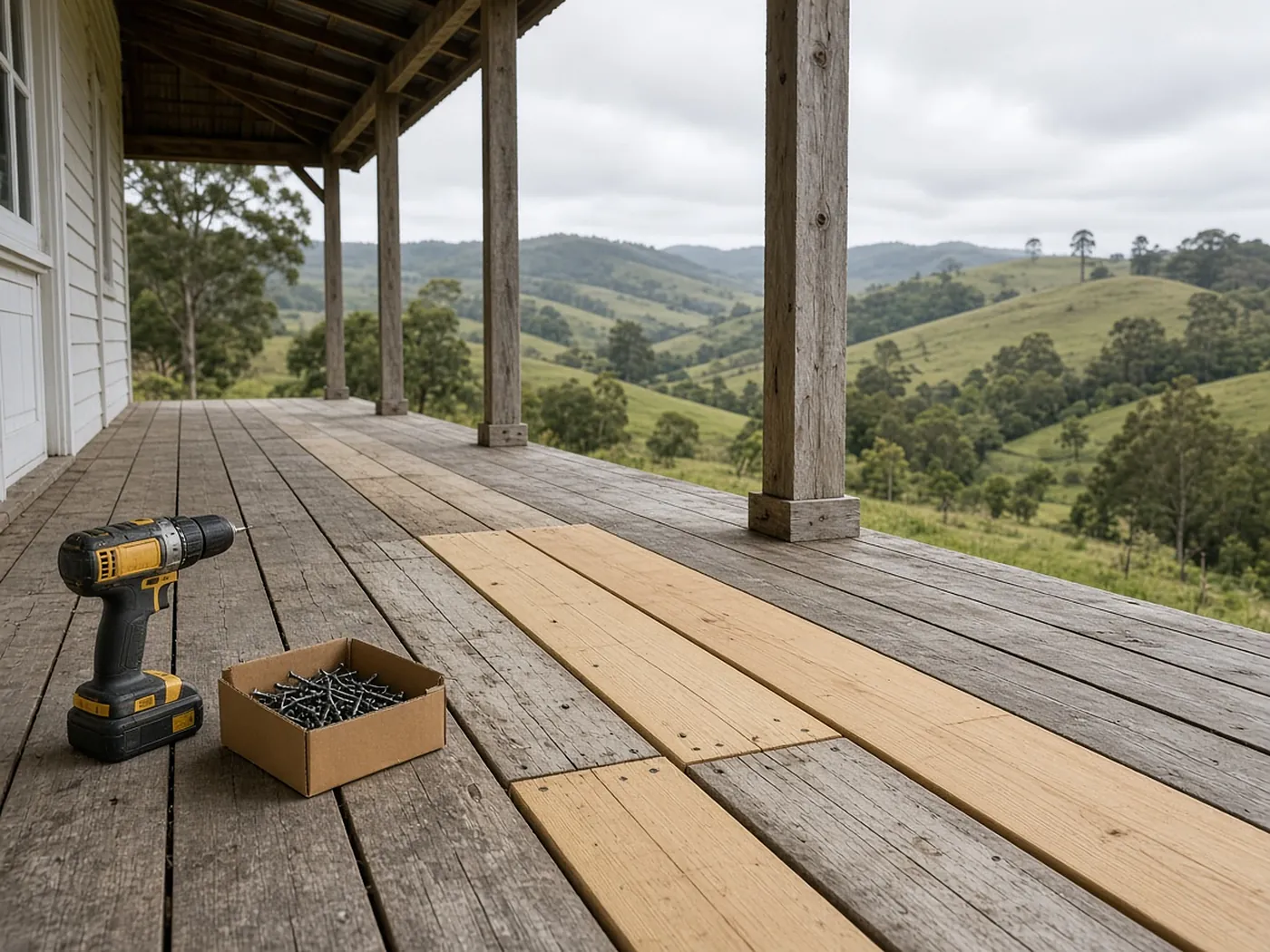 Deck & Veranda RepairsReplacing tired boards, re-fixing loose decking, fixing steps and handrails, and getting verandas safe again.
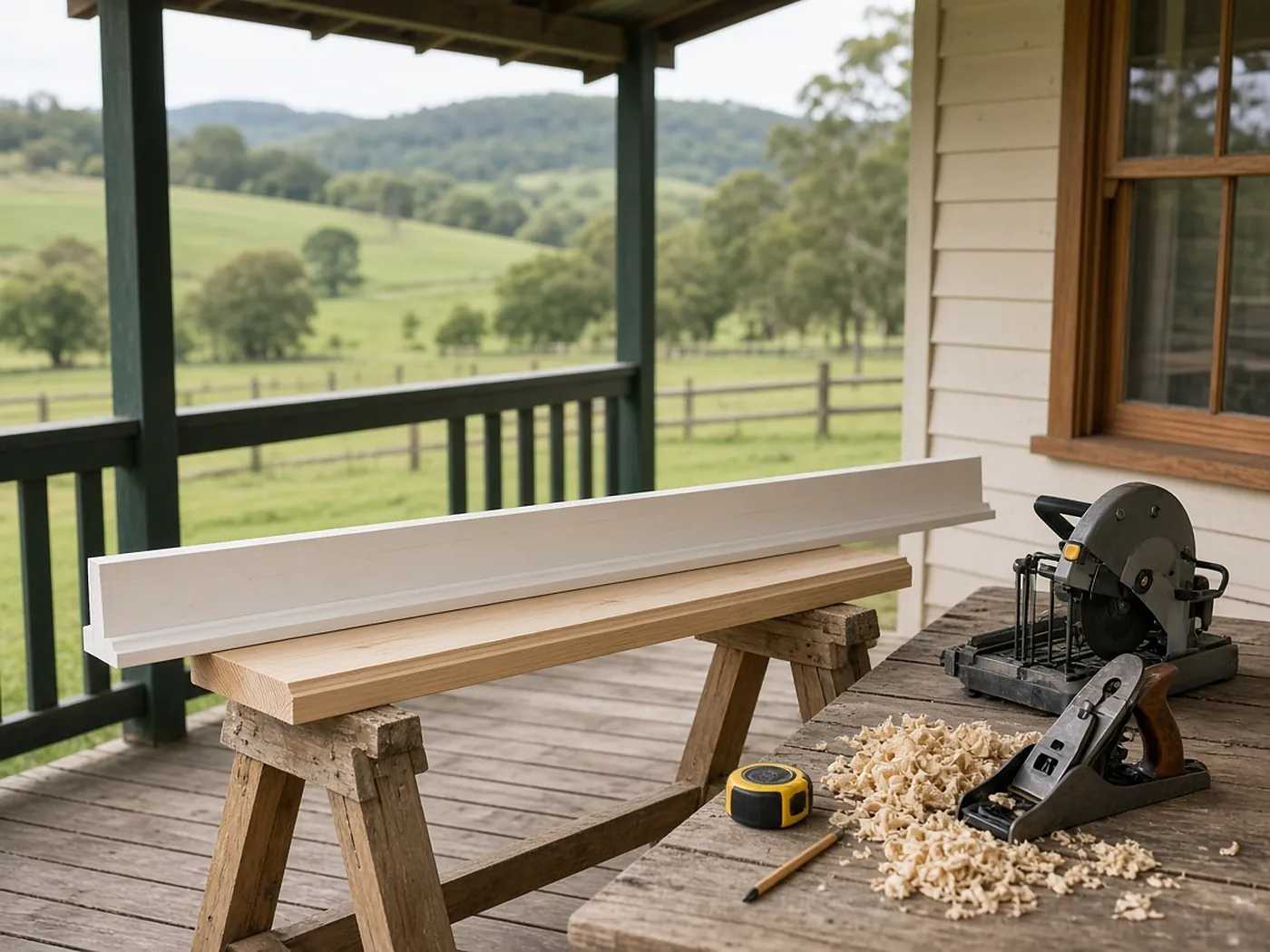 Carpentry RepairsSmall, non-structural carpentry: skirting, architraves, sills, steps, trims and timber fixes done neatly.
Send us your job list
Use the quote form to send a short description and a few photos, or call 03 7080 1718. We reply with a clear written scope and a free, no-obligation quote.