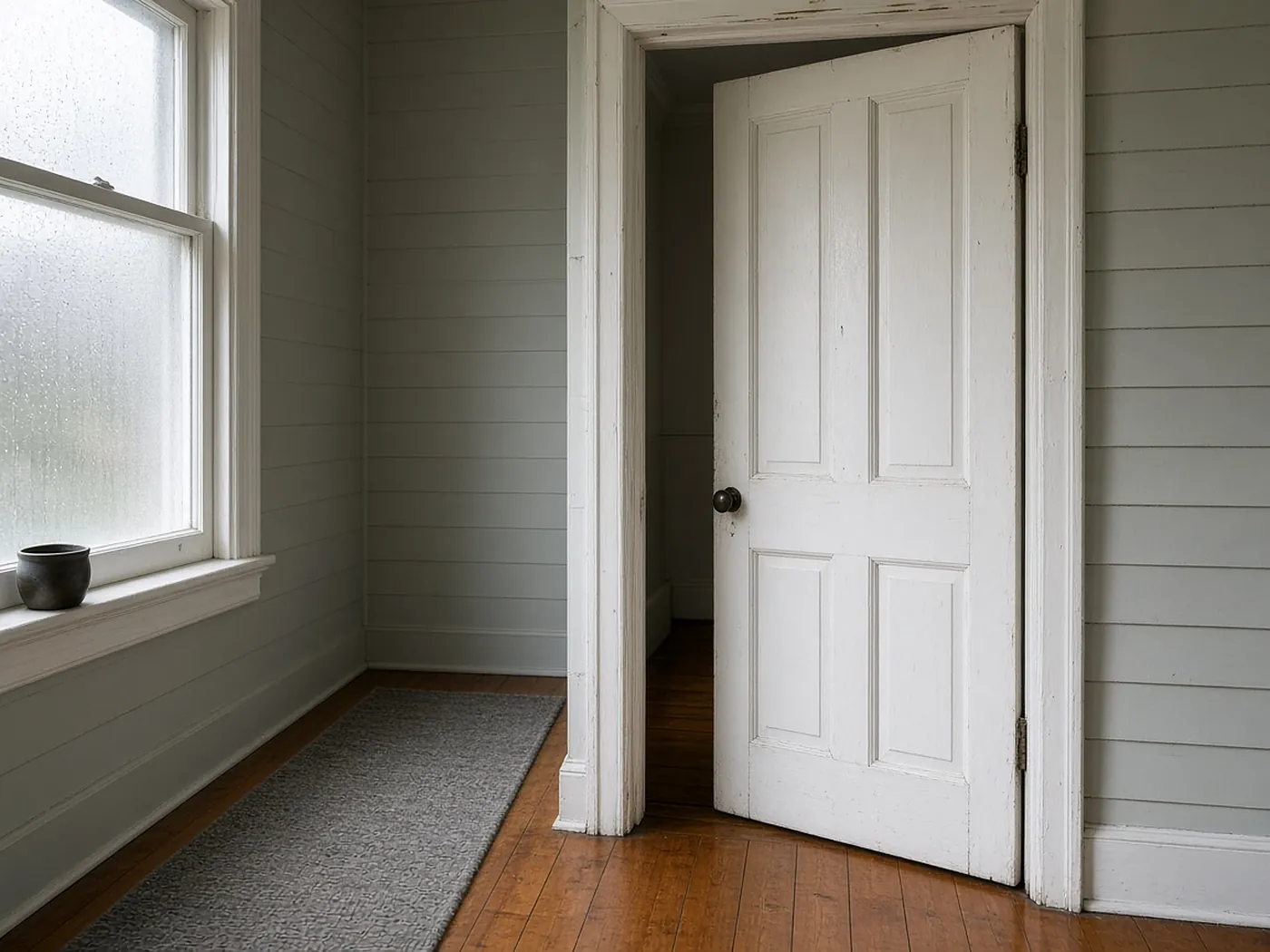
If your doors start to stick, rub or refuse to latch as soon as the weather turns cold and wet, you are not alone. It is one of the most common problems in older homes around Korumburra. The good news is that it is usually easy to fix.
The main cause: moisture
Timber absorbs moisture from the air. In the long, damp South Gippsland winter, timber doors, frames and windows take on moisture and swell slightly. In summer they dry out and shrink again. A door that fits perfectly in February can rub on the frame by June.
Doors with bare timber edges swell the most. When a door is planed in the past and the edge was never painted or sealed again, it soaks up moisture like a sponge.
Other common causes
- Loose hinge screws, which let the door drop on the handle side
- Worn hinges that have developed play
- A frame that has moved slightly as the house settles on a sloping block
- Thick layers of paint built up on the door edge and frame
- A strike plate that no longer lines up with the latch
- Floor coverings, such as new carpet, that the door now catches on
Quick checks you can do
Open the door and look at the gap around it when closed. If the gap is wide at the top on the handle side and tight at the bottom, the door has dropped. Check the hinge screws, especially the top hinge. Tightening loose screws, or replacing them with longer screws that reach the frame behind, can fix many dropped doors.
If the latch does not catch, look at where it hits the strike plate. Scratches or marks above or below the opening show which way the door has moved.
What not to do
Avoid planing a door in the middle of winter unless it is really necessary. If you take off too much while the timber is swollen, you may end up with a large gap in summer. Never leave a planed edge bare. Always seal or paint it to stop it soaking up moisture again.
How a handyman fixes it
A good repair finds the cause first. That might mean tightening or packing hinges, replacing worn hinges, moving the strike plate, or planing a small amount from the edge that rubs and sealing it. For older homes where the frame has moved, adjusting the hinges and strike to suit the frame is often better than heavy planing.
Windows stick too
Timber windows, especially double-hung sash windows, stick for the same reasons. Swelling, paint build-up and broken sash cords are the usual culprits. Freeing a painted-shut window and replacing broken cords brings it back into use.
Seal out the draughts
While doors and windows are being adjusted, it is a good time to fit new seals and draught strips. Cold winds across the hills find every gap, and sealing them helps a house hold its warmth.
Doors that stick all year
If a door sticks in summer as well as winter, moisture is probably not the main problem. Look for a dropped door caused by loose or worn hinges, a frame that has moved, or a build-up of paint. These problems do not go away when the weather dries out and are worth fixing properly.
Keeping doors working well
- Check and tighten hinge screws once a year
- Make sure all door edges, including the top and bottom, are painted or sealed
- Fit door stops so handles do not damage walls and hinges are not strained
- Keep sliding door tracks clean
- Lubricate locks and latches with a suitable product
A little maintenance keeps doors and windows working smoothly, and makes the house feel more solid and comfortable through the winter.
External doors need extra attention
Front and back doors take the full force of the weather. Rain on the bottom of the door and the threshold can cause swelling and rot, and worn weather seals let in draughts and water. Check that the bottom edge of the door is sealed, the weather strip is in good condition and the threshold drains away from the house. A small repair here can prevent a much larger one later.
When to call for help
If a door has dropped badly, will not lock, has a split frame or needs more than a light adjustment, it is worth getting it looked at. The same goes for sash windows with broken cords or windows that have been painted shut for years. These are quick jobs for a handyman with the right tools, and fixing them properly avoids damage from forcing doors and windows that do not want to move.
Korumburra Handyman can ease, adjust and seal doors and windows as part of a visit, and check the rest of the house for the same problem while we are there.
Related services
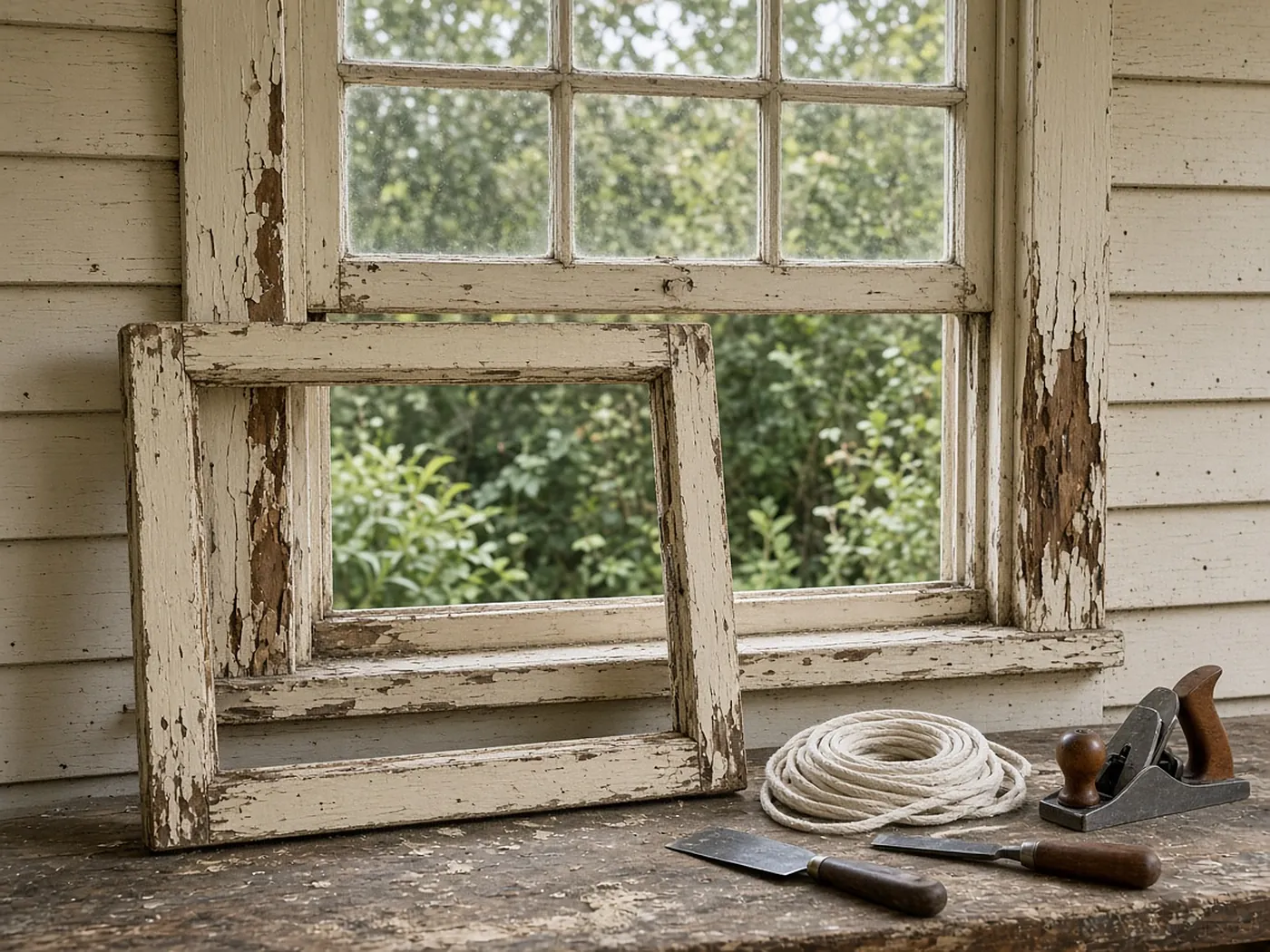 Door & Window RepairsSticking, dropped and rattling doors, worn latches, broken sash cords and draughty windows put right.
 Home Repairs & Odd JobsThe jobs that pile up: loose handles, sticking drawers, holes, squeaks and small fixes, sorted in one visit.
Send us your job list
Use the quote form to send a short description and a few photos, or call 03 7080 1718. We reply with a clear written scope and a free, no-obligation quote.